Studying in Japan

English

Student Part-Time Work in Japan: Why Social Insurance Does Not Apply

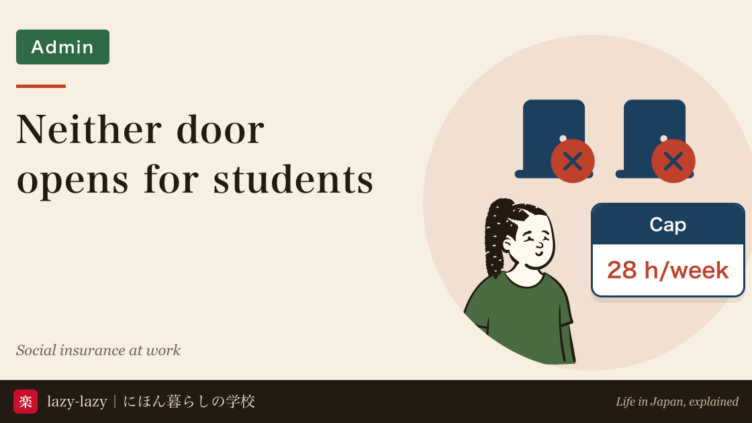
Student part-time workers in Japan do not join employer health insurance or the employee pension. There are two doors in, and students pass through neither: the short-hours rule lists not being a student as a condition, and the other needs 30 hours a week when a student visa caps you at 28. Four exceptions exist, and language school students count as students too.
English

National Health Insurance Japan: The 70% Reduction You Must Ask For

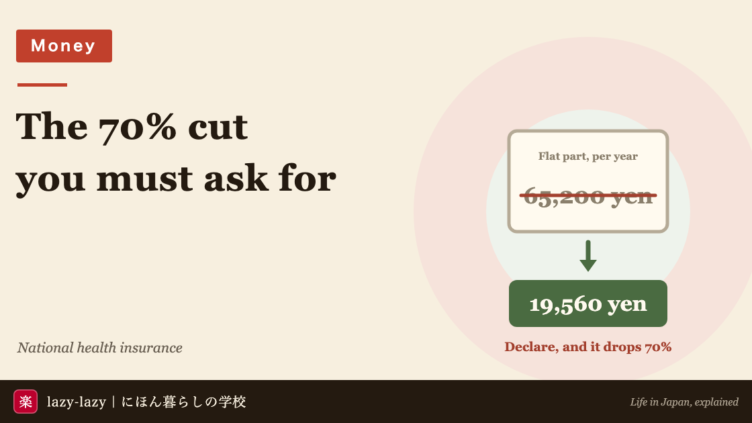
Japan cuts the flat part of your National Health Insurance bill by 70, 50 or 20 percent when household income was low. In Tokyo that is 65,200 yen a year down to 19,560, a gap of 45,640 yen. But it never arrives unless the city office knows your income, so zero income still has to be declared. Living alone, the 70 percent line is 1.08 million yen. Corrections stop after two years.
English

JASSO Scholarship: 30,000 Yen a Month, Language Schools Included

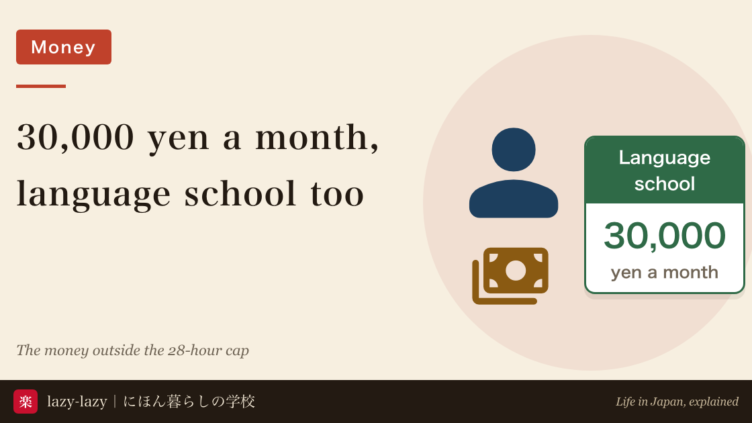
Before you take on more shifts: the Monbukagakusho Honors Scholarship pays 30,000 yen a month at a Japanese language school and 48,000 yen at university, graduate school or vocational college, and none of it is repaid. Language school students face no JLPT N2 requirement. But you cannot apply yourself - schools nominate, with a limited number of places, so nothing starts until you ask the office.
English

Living Costs in Japan for International Students: The Monthly Reality

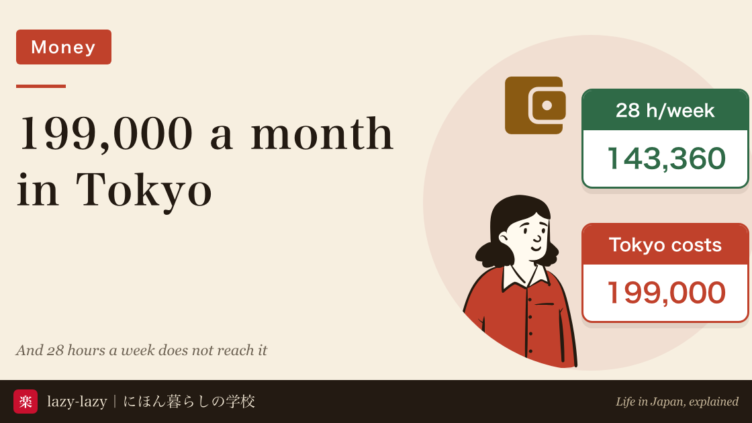
International students spend 170,000 yen a month on average and 199,000 yen in Tokyo, according to the JASSO FY2023 survey. Rent drives the difference: 41,000 yen nationally against 57,000 in Tokyo. Meanwhile 28 hours a week at minimum wage caps you at 137,312 yen, leaving a 61,688 yen gap every month in Tokyo.
English

Japan National Pension for Students: 17,920 Yen and How to Defer It

Residents aged 20 and over must join the National Pension, students included, and the premium is 17,920 yen a month. If you cannot pay, apply for the student deferral. Unpaid and deferred are not the same thing: unpaid brings asset seizure and reaches your visa renewal. Deferred months can be paid back within 10 years.
Earn

Learn Kanji With Japanese School Drills 2026: 1,026 Characters, Free to Print

Living in Japan but still cannot read the paperwork? Use the drill books Japanese children use, from grade 1. Six grades is 1,026 kanji, close to JLPT N2, and you can print them free.
Earn

Start a Blog in Japan: Practice Japanese, Build a Portfolio

Japanese practice arrives in weeks, a portfolio in months, income maybe never. Why a visible body of work helps your job hunt and your student-to-work visa change, and why publishing is free but earning depends on your visa.
Earn

Keigo vs Casual Japanese 2026: What to Say at Work

You can work a Japanese part-time job with only desu and masu plus eight set phrases. The direction trick that makes sonkeigo and kenjougo click, and the mistake guides skip: being too formal with friends keeps people at a distance.
English

Income Tax in Japan for Foreigners 2026: Get Your Refund

Income tax gets withheld automatically, but most student workers overpay and can get it back. The income walls (1.1 million and 1.6 million yen), the 270,000 yen student deduction almost nobody explains in English, and how to claim it all back.
Earn

Part-Time Jobs in Japan for Students 2026: The 28-Hour Rule

Working part-time as a student needs a free permit and staying under 28 hours a week total across every job. Banned jobs, dark part-time job scams, safe ways to find work, and typical pay by job type.
English

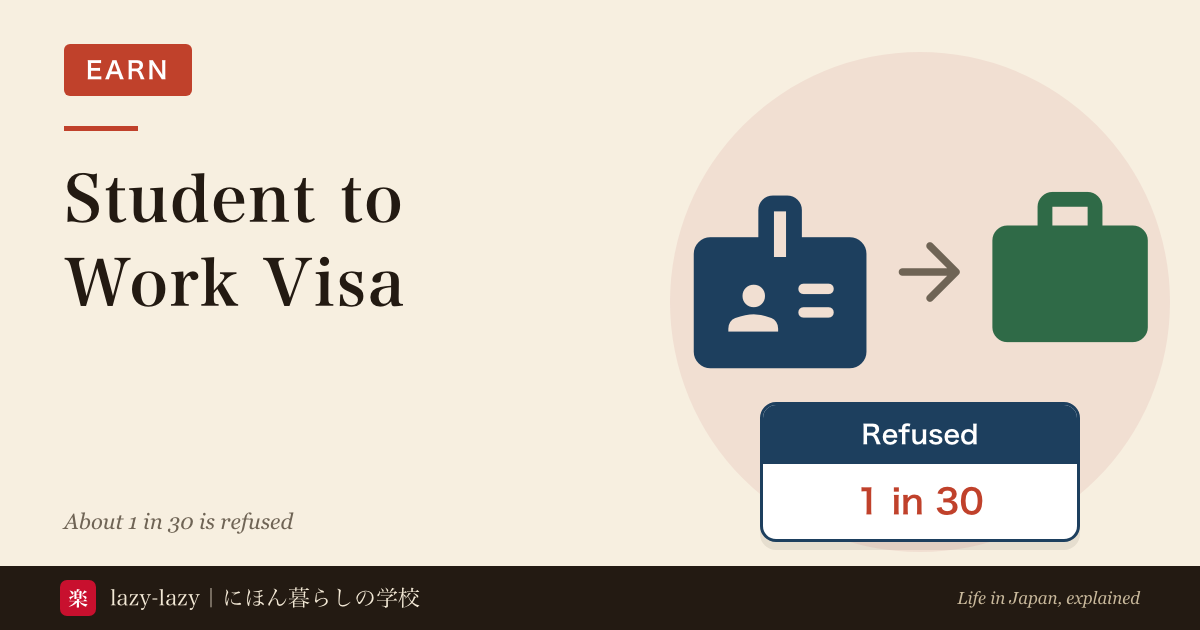
Student Visa to Work Visa in Japan: 97% Are Approved — Why Some Are Not

In 2024, 96.7% of applications to change from a student visa to a work visa were approved. Refusals are about 1 in 30 — but whether you are that one is decided long before you apply. The 28-hour rule, attendance, and matching your major to the job.